

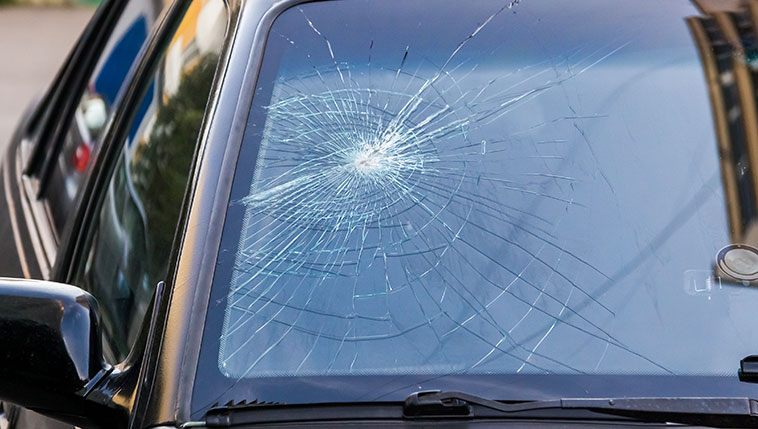
Tiny dings in auto glass rarely stay tiny. A chip bends light, weakens structure, and shrinks your reaction time long before it crawls into a crack. Acting early keeps repair simple, quick, and low-cost, while waiting invites rain, heat, and potholes to pry the brake wide open. In this blog, you’ll see seven plain-talk signals that tell you the clock is ticking. Each sign comes with easy-to-grasp tech notes and everyday examples, so even a fifth grader can point them out on the driveway. Grab a flashlight, park somewhere bright, and compare your own glass to the list below—because fast action now beats full replacement later.
Small Chip? Glass May Still Flex Dangerously
At first glance, a chip the size of a pencil tip seems harmless, yet laminated auto glass is under steady tension. The outer pane stretches while the inner pane compresses around a soft plastic PVB layer. A chip interrupts that balance, so normal body sway or door slams make the weakened spot flex like a paper clip.
Key numbers to know:
- Chips under 3 mm deep can still compromise up to 25 % of local strength.
- Any crater wider than a quarter coin often fails repair tests.
Repeated flex cycles let micro-cracks branch from the pit rim. A repair shop injects a low-viscosity resin that bonds with both panes, freezes flex, and restores clarity. Waiting even a week during hot-cold days can grow microfractures past the “clean” stage, forcing full windshield replacement instead of a 30-minute resin fill.
Crack Lines Reach The Edge Too Fast
A chip that sprouts a hairline crack toward the frame is racing against gravity and engine vibration. Edges act as stress concentrators; once a line touches the rubber seal, repair resin can no longer halt growth because the crack tip is hidden. Even a five-centimeter growth in a day is common during afternoon sun followed by night cooling.
Watch for:
- Curved “bull” tails arcing toward corners
- Straight vertical rays under the rear-view mirror mount
- Tiny branching “Y” shapes near wiper rest points
Measure progress every drive; wrap a strip of clear tape over the pit to block dirt, but do not rely on tape for strength. Scheduling service before a crack reaches 75 mm keeps repair legal under most state safety codes and avoids costly full-pane swaps.
Chip Sits In Driver’s Direct View Zone
Federal guidelines define a centered rectangle about 300 mm wide by 150 mm high as the “critical vision area.” Anything bigger than a blemish here ramps up glare, distorts oncoming headlights, and can fail inspection. Resin cures clear but may leave a faint shimmer when hit by the sun, so techs hesitate to fix chips smack in front of your eyes if the pit is deep. Quick repair, however, minimizes light scatter because less dust and moisture invade the crater.
Use these tips:
- Sit in a normal driving position; mark any obstruction with a sticky note.
- If the chip falls inside your wiper sweep top-to-bottom and side-to-side, treat it as urgent.
- Avoid glass cleaners with ammonia—they can stain the PVB layer under the pit.
Moisture Sneaks Inside Chip Creating Cloudy Spot
Water creeps through narrow glass fissures by capillary action. When the sun heats the windshield, trapped droplets turn to vapor, then condense again at night, leaving white haze or mineral rings. This haze blocks resin from bonding and shows that rust may already be eating the internal metal frame.
Technical cues:
- A fresh pit looks bright and glassy.
- Hazy pits appear chalky and may feel rough with a fingernail.
- A dark halo means road oils have soaked in, another repair hurdle.
Using a portable hair dryer on low heat can evaporate moisture temporarily, but professional vacuum-cycle repair equipment is the only way to pull vapor and oils out completely. Delay too long and the once-clear pit will stay cloudy even after filling, reducing night-time clarity forever.
Pitting Around Chip Shows Hidden Impact Damage
Windshields often collect sand pitting—tiny surface bites from road grit. When a new chip lands in a heavily pitted zone, microfractures have a head start. The glass surface is already rough, so resin may struggle to seal each pore.
Signs of advanced pitting include:
- Sparkling “sugar frost” dots seen against direct sunlight
- Wiper blades leave streak trails over the gritty area
- A sandpaper feel when you glide a plastic bag across the glass
Repair shops may polish light pits before injecting resin, but once pitting covers an area larger than a playing card, full replacement becomes the safer bet. Early chip repair reduces extra grinding and keeps surface polish shallow, saving both time and money.
Temperatures Swing, Chip Spreads Like Spider Web
Glass expands and contracts roughly 0.05 mm for every 10 °C shift across a meter-wide pane. A chip concentrates this movement at one weak spot. On summer days, a parked car’s windshield can hit 70 °C; blast the A/C and the inner glass plunges toward 25 °C, creating a sharp gradient. Spider-web cracks often explode during the first cool blast of air.
Preventive steps:
- Crack windows open one inch before shutting the doors in hot weather.
- Point vents down toward the floor for the first few minutes.
- Keep a reflective sunshade handy—simple, cheap, and effective.
If a chip already exists, schedule repair during mild morning temperatures to limit sudden stress during the drive to the shop.
Wipers Catch Chip And Skip Across Glass
A chip’s raised rim can snag rubber blades, causing streaks that blur rain vision. Each wiper pass also bumps the rim and vibrates the crack, enlarging it like a chisel.
Check for:
- Uneven wipe arcs or missed rain strips
- Chirping sounds when wipers cross the pit
- Tiny rubber bits lodged in the crater
Replacing blades helps for a week or two, but the only real fix is sealing the pit flush with the glass. Professional resin cures under UV light to a hardness close to factory glass and a polished level so wipers glide silently. Address this sign fast to protect both the windshield and new blades.
Conclusion: Book Repair Before Chips Become Cracks A windshield chip is not a harmless speck; it is a warning light you can see. From edge-creeping cracks to hazy water stains, each sign above points to weakening safety layers that keep you and your passengers protected. Acting quickly means shorter shop visits, clearer views, and lower bills. See N Clear Auto Glass Gilbert offers trusted auto glass repair services that fill, seal, and strengthen chips before they demand full replacement. Call us at the first signal and keep every drive sharp, safe, and smooth.