
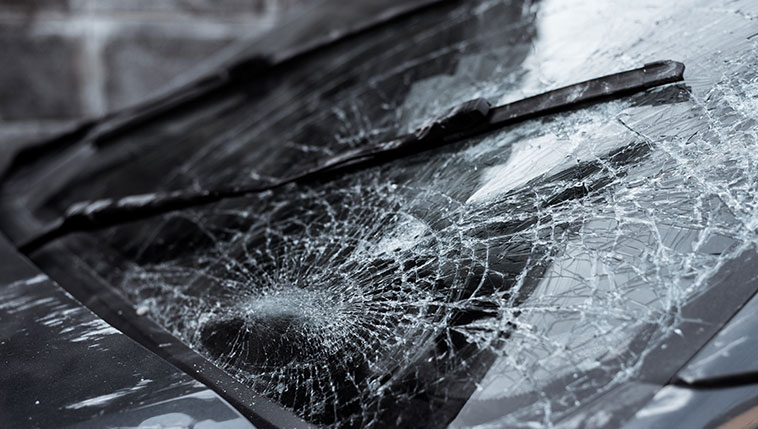
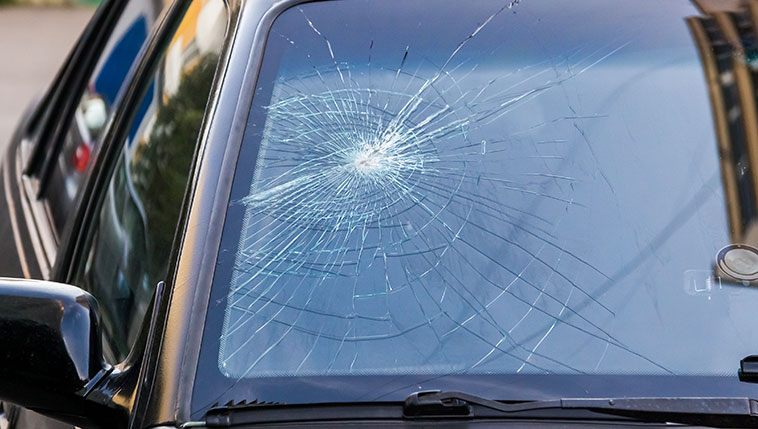
A cracked windshield can feel like a small nuisance after a long day on the road. It might not block your sight, and it may even seem frozen in place. Yet the glass on your car is under steady pressure from bumps, wind, heat, and cold. That tiny split is a weak link ready to grow across your field of view. Once it widens, repairs turn difficult and costly in a hurry. This blog explains the science behind spreading cracks, how they affect safety gear, and why quick replacement beats short-term fixes every time. You will leave with clear, easy steps to keep your family safe and your wallet happy.
Small Cracks Can Spread Without Warning
Even a chip the size of a pencil point can break open like a spider web when conditions change. A windshield is made of two glass sheets with a thin polyvinyl butyral (PVB) layer glued in between. This sandwich keeps shattered shards from flying, but it also stores energy.
- Hidden tension: Every pothole, speed bump, or door slam shakes the glass and the PVB layer. The vibration works on the weak spot first.
- Edge pressure: If the crack sits near the border of the windshield, body flex from driving around curves can push the damage outward in thin lines.
- Moisture invasion: Rainwater seeps into the crack, then heats up under sunlight. The trapped moisture expands, forcing the glass apart.
Once the crack passes the length of a credit card, repair resins often fail to hold. The damaged area becomes cloudy, and full replacement turns into the safest answer.
Temperature Swings Place Stress On Glass
Hot days and cool nights cause glass to stretch and shrink again. The lower inside layer stays closer to cabin temperature, while the outer layer reacts faster to the weather. This uneven movement pulls at any weak spot.
- Morning cold shock: Defroster heat on a frosty morning warms the inner glass quickly. The outer layer is still chilled, so the crack pulls wider.
- Mid-day heat load: Parked in direct sun, a dark dashboard can push the inner layer past 140 °F while the outer surface feels cooler from airflow.
- Sudden storm cool-down: A summer rainstorm drops road-level temps in seconds. The outer layer cools first, squeezing the inner layer.
Engineers call this push-pull cycle “thermal stress.” Because windshields are laminated, they cannot spread heat evenly like tempered side windows. Cracked zones bear the worst of that tug-of-war and fracture farther with each swing.
Damaged Glass Weakens Airbag Support System
Front airbags rely on the windshield as a backstop. When a bag inflates, it pushes against the glass to stay aimed at a passenger’s chest and head. A crack turns that solid wall into a fragile surface.
- Reduced rebound strength: Tests show that a cracked windshield can lose up to 60 % of its stiffness, letting an airbag push outward too far.
- Risk of pop-out: If the adhesive bond fails near the crack, the glass may detach in a crash. The airbag then exits the opening and misses the occupant.
- Seat-belt coordination: Modern belt tensioners and airbags are timed together. A weak windshield upsets that timing and increases injury odds.
Replacing cracked glass restores the bond between glass and vehicle frame, letting the airbag do its job at full force.
Modern Sensors Require Clear Mounting Area
Many newer cars hide rain sensors, lane-keep cameras, and forward collision radar units in the windshield frame. Cracks do more than block their view; they can scramble calibration.
- Camera distortion: A line across the lens path bends light, confusing lane-mark software and causing false alerts.
- Radar shadowing: Some windshields carry embedded metallic films for heating. A flaw in that area scatters radar waves and shortens detection range.
- Re-aiming rules: After glass replacement, certified shops realign each sensor with factory tools. Repair patches rarely meet the flatness and clarity standards needed for correct aiming.
Keeping driver-assist gear reliable means starting with flawless glass. When faults appear near sensor zones, replacement is the only approved fix from most automakers.
Cracked Windshields Fail Road Safety Rules
State inspection stations and highway patrol officers look for damage in the driver’s view. A failed check can cost both time and money.
- Ticket fines: Many regions write citations for any crack that crosses the sweep of the wipers.
- Insurance clauses: Some full-coverage plans require drivers to keep safety gear in good shape. Ignoring a crack can void portions of the policy.
- Inspection delays: A failed inspection sticker may stop you from renewing license plates until the windshield is fixed.
Choosing a replacement before an inspection date avoids extra paperwork and late fees.
Early Replacement Saves Money And Time
Waiting often means the crack grows past repairable size, leading to bigger bills and longer shop visits. Quick action keeps life simple.
- Short service windows: Most replacements take less than two hours, with safe-drive-away time around one hour for common urethane seals.
- Lower material cost: Small chips can become large star bursts that require specialty glass if sensors or heating layers spread into the damage.
- Warranty coverage: Many insurers waive deductibles for early replacements because they cost less than crash claims.
Fast swaps limit downtime, guard resale value, and reduce the chance of weather ruining the car’s interior.
Conclusion — Clear Glass, Safer Journeys Ahead
A clean, solid windshield keeps you, your family, and your vehicle’s safety gear working together in harmony. Chips and cracks may look harmless today, but the science behind glass stress shows they grow quickly and weaken vital systems such as airbags and sensors. Acting soon saves hassle, cash, and potential accidents. See N Clear Auto Glass Gilbert offers expert auto glass replacement services with factory-approved materials and certified installers. Schedule a visit, and drive away knowing your view is crystal clear and your car is ready for every mile ahead.